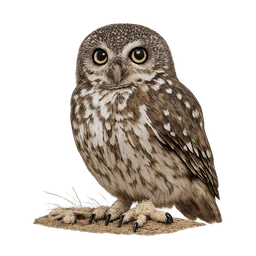
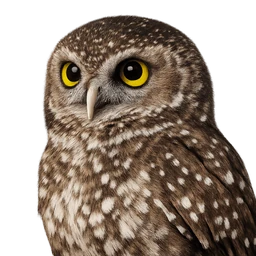
Profile
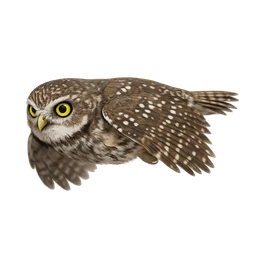
In flight
Owls
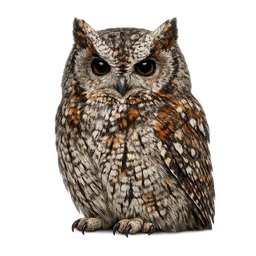
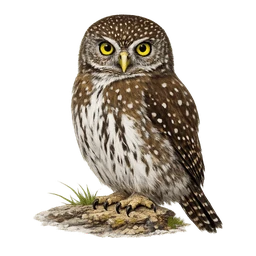
Elf Owl
Micrathene whitneyi
- epic
- 72 km/h
- Least Concern
The world's smallest owl. Roosts in old woodpecker holes and delivers messages no bigger than your thumb.
- Population
- Global population estimated at roughly 46,000–72,000 mature individuals per Partners in Flight/BirdLife-derived figures (Audubon cites ~46,000; PIF/other secondary sources cite ~72,000 as a global figure); note a separately-cited 'up to ~150,000' figure found in some secondary sources refers to a U.S.-only population count, not the global total, and should not be conflated with it. IUCN/BirdLife lists the species as having a 'very large' population, well above Vulnerable thresholds (<10,000 mature individuals), regardless of the exact point estimate.
- Habitat
- Desert scrub (especially saguaro cactus desert), chaparral, dry thorn forest, pine-oak woodland, and riparian woodland/sycamore-cottonwood groves
- Fun fact
- The world's smallest and lightest owl (mean body weight ~40 g, roughly the weight of three nickels), the Elf Owl typically nests in old woodpecker holes in saguaro cacti or other trees and, when grabbed by a predator, will feign death (thanatosis) to trigger a release-and-escape response.
- Range
- Breeds in the southwestern US (California, Arizona, New Mexico, Texas) and northern/central Mexico; migrates south to winter in central and southern Mexico, with some non-migratory/resident populations in south-central Mexico and Baja California
- Diet
- Mainly nocturnal insects and other arthropods (moths, beetles, crickets, katydids, scorpions, centipedes, spiders), occasionally small vertebrates
- Size
- 0.135 m
- Wingspan
- 0.27 m
- Lifespan
- 6 years