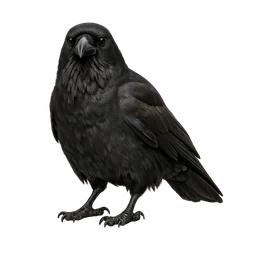
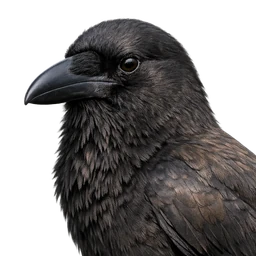
Profile
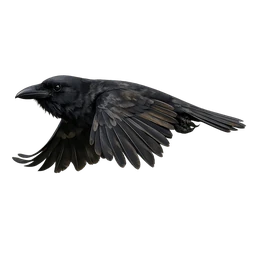
In flight
Clever Corvids
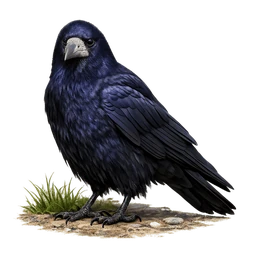
Hawaiian Crow
Corvus hawaiiensis
- legendary
- 48 km/h
- Extinct in the Wild
Extinct in the wild since 2002, now slowly being reintroduced. One of only two crow species known to use tools.
- Population
- ~115 individuals as of the last widely-cited count (2014), essentially all captive-bred and held by San Diego Zoo Wildlife Alliance; a first small reintroduction cohort (5 birds) was released to wild habitat on Maui in December 2024, but no self-sustaining wild population exists and no more current total was independently locatable.
- Habitat
- Historically dry and mesic native forest (ʻōhiʻa lehua and koa) on the slopes of Mauna Loa and Hualālai at roughly 900–1,800 m (3,000–6,000 ft) elevation; today survives only in captive breeding facilities (San Diego Zoo Wildlife Alliance's Maui and Keauhou Bird Conservation Centers) plus the new, closely monitored Maui release site.
- Fun fact
- The ʻAlalā (Hawaiian Crow) is one of the few bird species documented to spontaneously use tools (sticks, to extract food from crevices) without being taught; it vanished entirely from the wild in 2002, and the first tentative reintroduction attempt to habitat free of its main predator (the Hawaiian hawk) placed five captive-bred birds on Maui in December 2024.
- Range
- Endemic to the Hawaiian Islands; historically Hawaiʻi Island (with fossil evidence of a wider prehistoric range across the main islands). Declared extinct in the wild in 2002; exists only in captivity plus a nascent, closely monitored reintroduced group on Maui since December 2024 — Maui was chosen specifically because it lacks the Hawaiian hawk (ʻio), the main cause of death in earlier Hawaiʻi Island release attempts.
- Diet
- Omnivorous forest generalist: roughly half its foraging is on invertebrates (land snails, isopods, spiders) gleaned from bark and foliage, plus native fruits (e.g., kēpau, ʻōlapa) and nectar/flower parts, with occasional flowers and, seasonally, other birds' eggs or nestlings.
- Size
- 0.49 m
- Lifespan
- 18 years