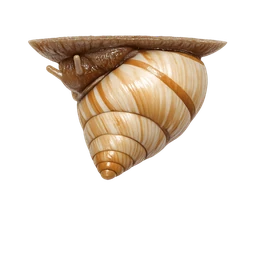
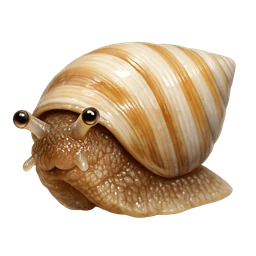
Profile
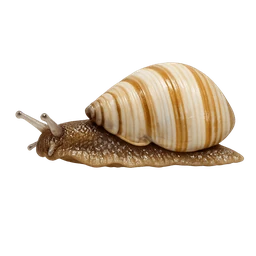
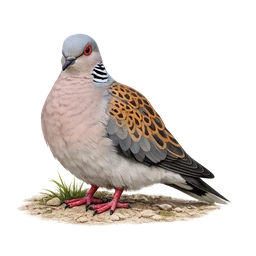
In flight
Slow & Steady
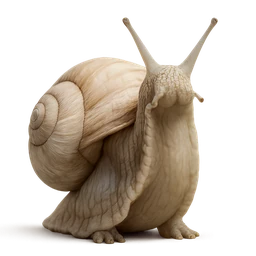
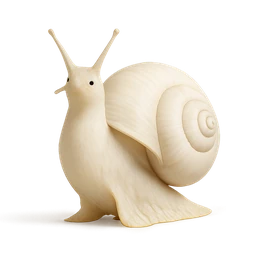
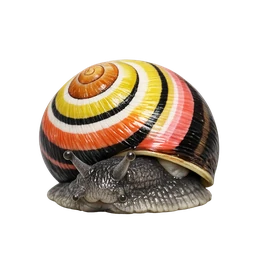
Partula Snail
Partula nodosa
- legendary
- 2 km/h
- Extinct in the Wild
Wiped out in the wild by an introduced predator snail. Lives on in zoo terrariums, waiting to come home.
- Population
- Zero confirmed in the wild since the 1980s; several thousand individuals maintained in ex-situ breeding colonies across roughly a dozen zoos/institutions (incl. ZSL London, Woodland Park Zoo) under the Partula Programme consortium, with reintroduction releases to Tahiti/Moorea (largest documented: ~5,000 snails from US/UK zoos, April 2023) not yet proven to have established a self-sustaining wild population
- Habitat
- Humid tropical forest valleys, typically on the undersides of broad leaves (Caladium, plantain/banana, Dracaena, turmeric) a few meters above the forest floor
- Fun fact
- Partula nodosa is one of dozens of Pacific "Partula" tree snail species wiped out in the wild after the carnivorous rosy wolfsnail (Euglandina rosea) was introduced to Tahiti in 1977 to control an invasive agricultural pest (giant African land snail); it now survives only through a multi-institution captive-breeding consortium (the Partula Programme, coordinated by the Zoological Society of London), which released over 5,000 zoo-bred snails back to Tahiti and Moorea in April 2023.
- Range
- Historically endemic to seven valleys on the western side of Tahiti, French Polynesia (Society Islands); extinct in the wild there since predator introduction in the 1970s-80s, surviving only in captive zoo populations worldwide with ongoing reintroduction trials to Tahiti and Moorea
- Diet
- Herbivore/detritivore — grazes on fungi, microbial films, and decaying plant matter on the surface of leaves (typical Partulidae feeding mode; not confirmed in a P. nodosa-specific source)
- Size
- 0.016 m
- Lifespan
- 3 years