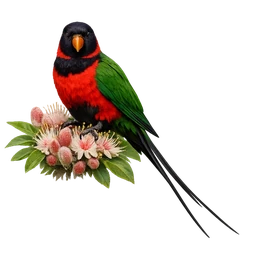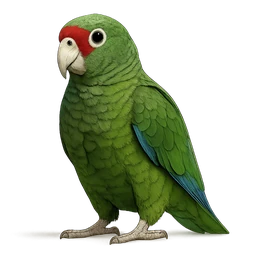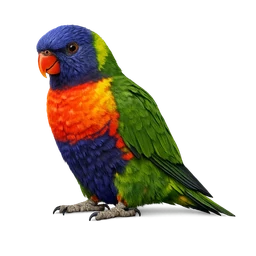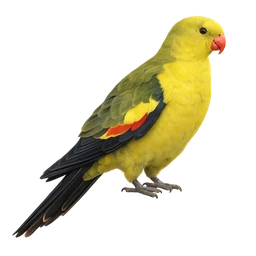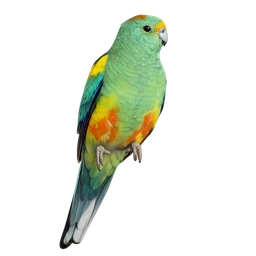
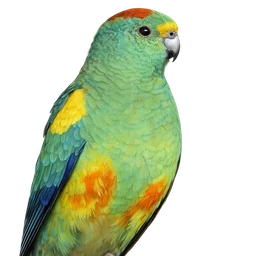
Profile
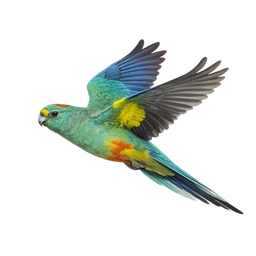
In flight
Parrots
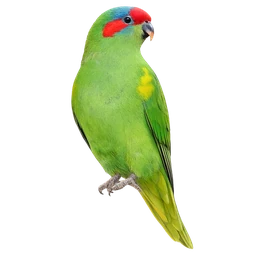
Mulga Parrot
Psephotellus varius
- uncommon
- 53 km/h
- Least Concern
Named for the mulga scrub it haunts. Males are a dazzling mosaic of green, yellow, red, and blue.
- Population
- Not numerically quantified; BirdLife/IUCN describe it as common to uncommon (locally uncommon in southwestern Australia due to habitat loss), with a suspected declining population trend from ongoing habitat destruction
- Habitat
- Arid mulga scrubland, lightly timbered grasslands, and dry open woodlands/plains (mallee, mulga, acacia, casuarina, saltbush, sea samphire) in the interior of southern Australia; favors areas near waterholes and seasonal creeks and dry riverine woodland; avoids dense forest; uses permanent freshwater marshes/pools outside the breeding season
- Fun fact
- Male Mulga Parrots' bills grew larger in surface area by about 10.7% between 1871 and 2008 according to a 2015 morphological study, a change consistent with climate-driven adaptation (Allen's rule).
- Range
- Interior of southern Australia: western New South Wales, northwestern Victoria, across South Australia, and into central/southern Western Australia (south-central Australia, west to southeast interior); endemic to Australia, non-migratory (resident); Extent of Occurrence ~4,810,000 km²
- Diet
- Granivore/omnivore: seeds of grasses, herbs, shrubs and trees (incl. acacia and saltbush), other plant matter, fruits and berries, greens/vegetables, mistletoe, chickweed, and occasionally small grubs; forages mainly on the ground beneath trees, along roadsides, and on spilt grain at farms
- Size
- 0.29 m
- Wingspan
- 0.36 m
- Lifespan
- 12 years