Tropical Birds
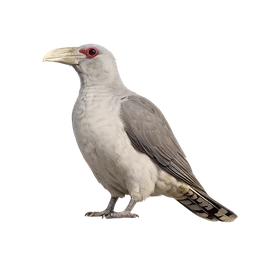
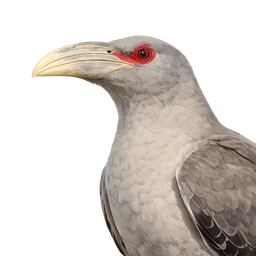
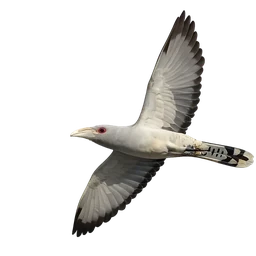
Kanaalbekkoekoek (Channel-billed Cuckoo)
Scythrops novaehollandiae
- zeldzaam
- 43 km/h
- Niet bedreigd
's Werelds grootste koekoek, groot genoeg om kraaien te parasiteren. Zijn slachtoffers voeden een kuiken groter dan zijzelf groot.
- Populatie
- Global population size not quantified; uncommon in Australia and scarce elsewhere in its range, with population trend assessed as decreasing (suspected slow decline of 1-19% over three generations) linked to forest/tree-cover loss
- Leefgebied
- Subtropical/tropical moist lowland forest and mangrove vegetation; more specifically rainforest, eucalypt woodland, forest edges, riverine gallery forest, and increasingly urban/suburban gardens and parks with fruiting fig trees
- Leuk weetje
- De kanaalbekkoekoek is 's werelds grootste broedparasiet en grootste koekoekssoort; hij legt zijn eieren in de nesten van grote gastheersoorten zoals raven, bonte currawongs, slagerskraaien en Australische eksters, in plaats van zelf jongen groot te brengen.
- Verspreidingsgebied
- Breeds in northern and eastern Australia (northeastern Western Australia through the Northern Territory and Queensland to eastern New South Wales); migrates non-breeding through New Guinea, the Bismarck Archipelago, and eastern Indonesia (including Timor-Leste) as far west as Sulawesi; vagrant records in New Caledonia and New Zealand. Extent of occurrence ~11.6M km² (breeding) / ~11.2M km² (non-breeding)
- Dieet
- Vooral fruitetend, met name vijgen (Ficus spp.), maretakvruchten en moerbeien; ook insecten (kevers, vlinders, sprinkhanen) en af en toe eieren/nestjongen van andere vogels
- Grootte
- 0,63 m
- Spanwijdte
- 0,97 m
- Levensduur
- 5 jaar