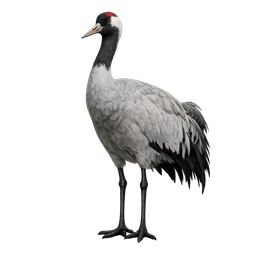
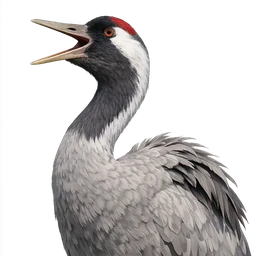
Profile
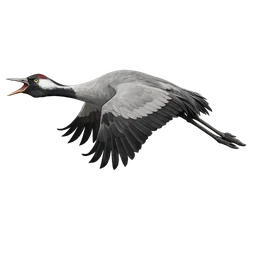
In flight
Cranes & Waders
Common Crane
Grus grus
- uncommon
- 50 km/h
- Least Concern
Migrates in bugling V-formations visible from miles away. Announces your message before it lands.
- Population
- ~479,000–572,000 mature individuals (total population ~718,000–858,000; global, IUCN 2025 assessment, increasing trend)
- Habitat
- Breeds in boreal/taiga forest, mixed forest, bogs, marshes, and other wetlands in northern latitudes; winters in wetlands, floodplains, and cultivated farmland/steppe in warmer regions
- Fun fact
- The word "cranberry" is thought to derive from Low German "kraanbere" ("crane berry"); however, etymological sources indicate the name references cranes generically (and was even applied to herons/storks), not the Common Crane specifically — and the fancied resemblance is usually described as between the plant's stamens/beak-like flower parts and a crane's bill, not the neck and stalk as sometimes stated.
- Range
- Breeds across northern and central Europe through the Palearctic to Siberia (major populations in Russia, Finland, Sweden, Germany, Poland, Baltic states); migrates to winter in Iberia, North Africa, the Middle East, and South/East Asia (notably India)
- Diet
- Omnivorous: plant matter such as roots, rhizomes, tubers, stems, leaves, fruits, seeds and waste grain, supplemented seasonally with insects, worms, crustaceans, amphibians, and small vertebrates, especially during breeding
- Size
- 1.15 m
- Wingspan
- 2.1 m
- Lifespan
- 30 years