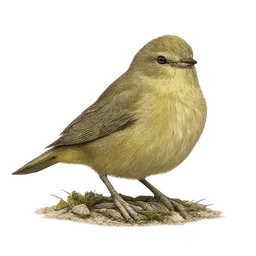
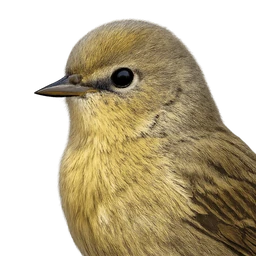
Profile
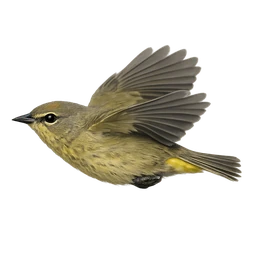
In flight
Songbirds
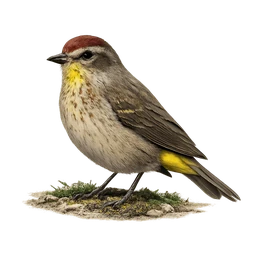
Orange-crowned Warbler
Leiothlypis celata
- epic
- 72 km/h
- Least Concern
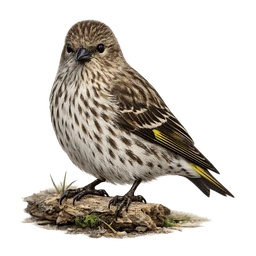
Drab on purpose; the orange crown is almost never visible. Delivers messages with maximum subtlety.
- Population
- ~82 million mature individuals (Partners in Flight / BirdLife estimate, 2019); moderate long-term decline (1970-2017) but recent 10-year trend not statistically significant
- Habitat
- Breeds in brushy, shrubby vegetation — deciduous undergrowth in spruce forest, fir-aspen forest, streamside thickets, or chaparral with partly shaded ground; in winter/migration uses forest edges, gardens, and nearly any vegetated habitat
- Fun fact
- The orange crown patch that gives this warbler its name is usually concealed beneath its olive head feathers and only becomes visible when the bird raises its crown feathers while agitated or displaying.
- Range
- Breeds across Alaska, Canada, and the western United States (Rocky Mountains, Great Basin, into the Great Lakes and Mid-Atlantic in the east); winters along the southern and Pacific coasts of the U.S., Mexico, and Central America (south to Guatemala), with small numbers regularly wintering in the southeastern/southern U.S.
- Diet
- Mostly insects (foliage-gleaning) during breeding season; in winter and migration also eats berries, nectar, and sap from sapsucker wells, and will visit feeders for suet or peanut butter
- Size
- 0.13 m
- Wingspan
- 0.19 m
- Lifespan
- 8 years