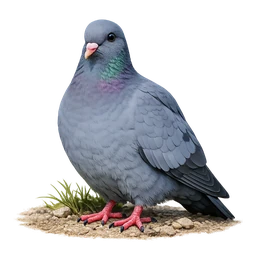
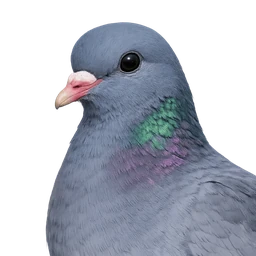
Profile
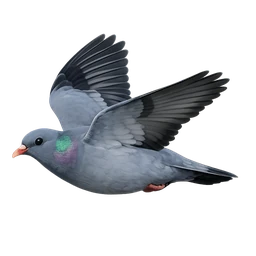
In flight
Pigeons & Doves
Stock Dove
Columba oenas
- epic
- 72 km/h
- Least Concern
Nests in tree cavities and old buildings, never in cliffs. The forest cousin of the pigeon.
- Population
- ~1.7–2.86 million mature individuals globally (BirdLife/IUCN 2018 estimate, current 2024 assessment still LC); over half the European population breeds in the UK, where the breeding population (~320,000 territories, 2016) has risen ~57% since 1995
- Habitat
- Open wooded country, woodland edges, parkland and farmland with mature trees; also coastal cliffs, quarries and lowland areas with old trees, rabbit burrows or nest boxes for cavity-nesting
- Fun fact
- Its name comes from Old English "stocc" (tree trunk/stump), reflecting its habit of nesting in tree cavities and old stumps rather than building a stick nest like its relative the Woodpigeon; it was briefly renamed "Stock Pigeon" by the IOC in 2006 before reverting to "Stock Dove" in 2013.
- Range
- Western Palearctic: from central Scandinavia and the UK south to northwest Africa, east across Europe through Kazakhstan and Siberia to Iran and western China; northern populations fully migratory, southern/western populations largely resident
- Diet
- Mainly seeds, grain, young shoots, leaves, buds and flowers foraged on the ground; also acorns, pine seeds, berries, cereal grains, beans, peas, and occasionally insects and snails
- Size
- 0.31 m
- Wingspan
- 0.63 m
- Lifespan
- 9 years