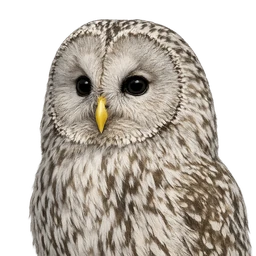
Profile
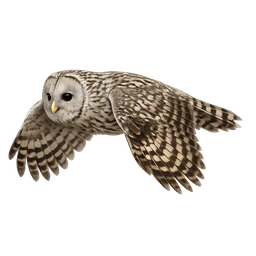
In flight
Owls
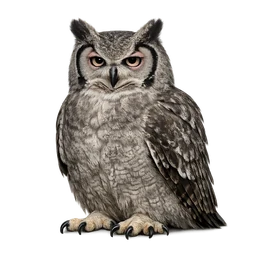
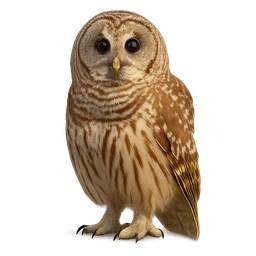
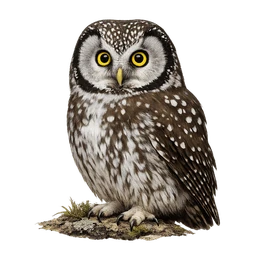
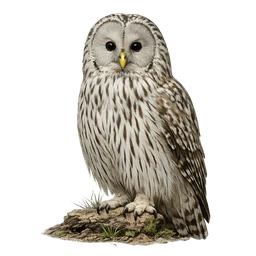
Ural Owl
Strix uralensis
- common
- 28 km/h
- Starter
- Least Concern
Defends its nest by attacking humans. Photographers wear hard hats — and so should you.
- Population
- approximately 640,000-1,052,000 mature individuals (global), per BirdLife/IUCN assessment; consistent with Cornell Birds of the World's independent figure of the same range
- Habitat
- mature taiga, mixed coniferous, and temperate deciduous forest, typically with clearings/meadows for hunting and snags/stumps for perching and nesting; generally avoids heavily fragmented woodland
- Fun fact
- Despite being an owl, the Ural Owl is often active by day as well as night (cathemeral/crepuscular rather than strictly nocturnal), and it is notorious among field researchers for extremely aggressive nest defense - the Swedish name Slaguggla ("attacking owl") reflects females striking intruders from behind with claws at speeds up to ~40 km/h, hard enough to draw blood.
- Range
- Eurosiberian Palearctic, from Scandinavia, central Europe (incl. the Carpathians) and northern Italy across Russia to Sakhalin and Japan
- Diet
- small mammals (chiefly voles, field mice, and other rodents, ~50-95% of diet across >200 documented prey species), supplemented regionally by hares, birds (up to ~40% by mass in low-rodent years), and invertebrates
- Size
- 0.57 m
- Wingspan
- 1.2 m
- Lifespan
- 24 years