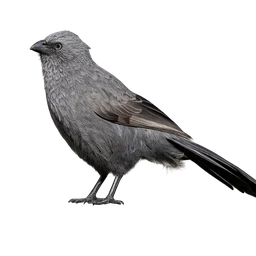
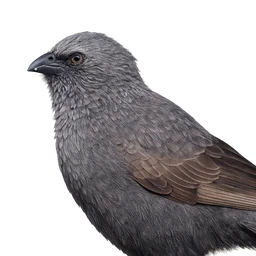
Profile
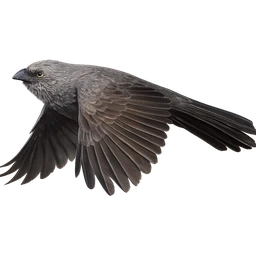
In flight
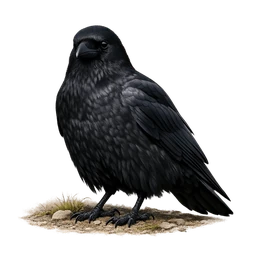
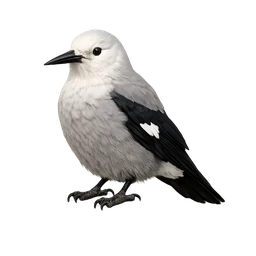
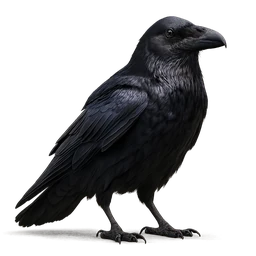
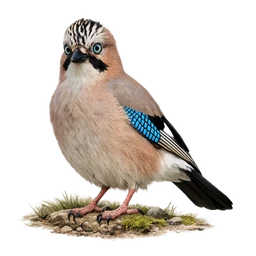
Clever Corvids
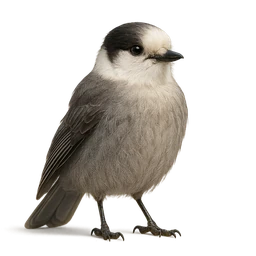
Apostlebird
Struthidea cinerea
- uncommon
- 41 km/h
- Least Concern
Named for travelling in groups of roughly twelve. Cooperative breeders sharing feeding, nest-building, and probably opinions.
- Population
- Not numerically quantified by IUCN/BirdLife; number of mature individuals listed as unknown, population described as common with a stable trend, over an estimated extent of occurrence of ~3,950,000 km²
- Habitat
- Open dry woodlands and forests (Callitris in NSW, Casuarina in Queensland), typically near water; also farmland with trees, roadsides, orchards, golf courses, and rural/urban parks
- Fun fact
- Apostlebirds are named for their habit of foraging in tight-knit groups of roughly a dozen (sometimes up to 30), which early settlers likened to the twelve biblical apostles, and they are cooperative breeders in the mud-nest-building family Corcoracidae, whose non-breeding relatives help build the large mud-bowl nest and feed the chicks.
- Range
- Endemic to inland eastern Australia: from lower Cape York Peninsula and central-western Queensland (incl. Gulf Country) through New South Wales to northern Victoria and eastern South Australia (Naracoorte to Mount Lofty Ranges), with an isolated population near Elliott/Katherine, Northern Territory
- Diet
- Omnivorous ground forager: seeds and vegetable matter, insects and other invertebrates, occasionally small vertebrates; diet shifts toward seeds in autumn/winter
- Size
- 0.31 m
- Wingspan
- 0.5 m
- Lifespan
- 15 years