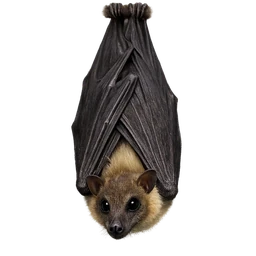
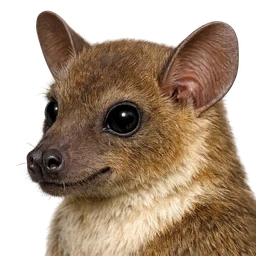
Profile
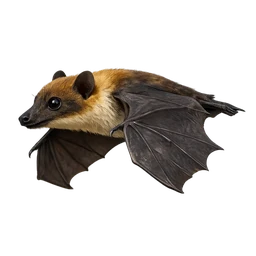
In flight
Bats
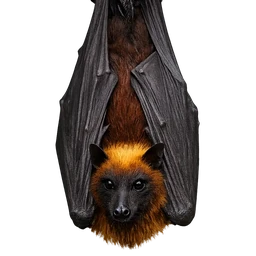
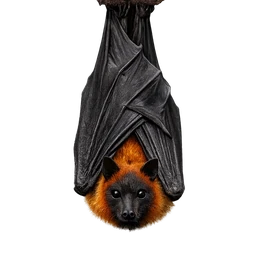
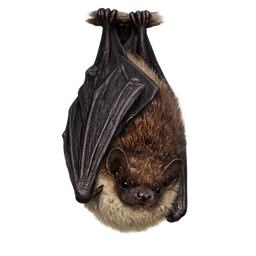
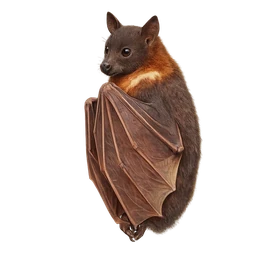
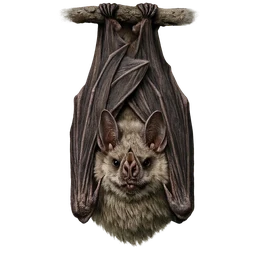
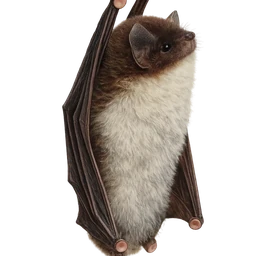
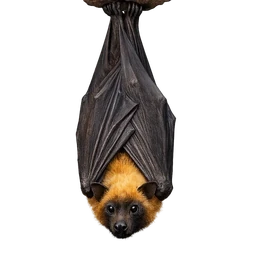
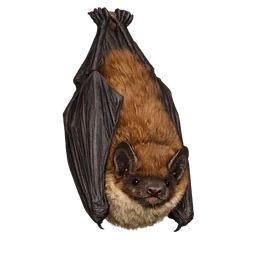
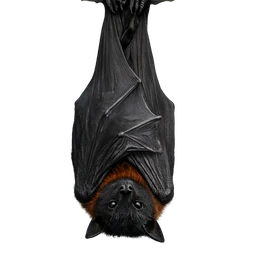
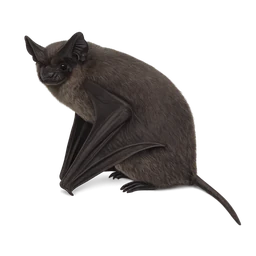
Egyptian Fruit Bat
Rousettus aegyptiacus
- rare
- 40 km/h
- Least Concern
Uses echolocation made by clicking its tongue, not its throat. Lives in caves of millions. Your message, multiplied.
- Population
- No official global numeric count published by IUCN; broadly distributed, abundant, and assessed as stable — roost colonies range from small groups up to several thousand individuals
- Habitat
- Roosts in large colonies in caves, cave-like structures, ruins, and abandoned buildings; forages in tropical rainforest, deciduous forest, savanna, and Mediterranean scrub wherever fruit trees are abundant
- Fun fact
- The Egyptian fruit bat is one of very few megabats known to echolocate, producing sharp tongue-clicks (not laryngeal calls) to navigate dark roosts — colonies even develop their own distinct vocal dialects that pups learn from their mothers.
- Range
- Sub-Saharan Africa, Egypt/North Africa, the Arabian Peninsula coast, and coastal pockets of the eastern Mediterranean (southern Turkey and Cyprus — its only native European range); some sources also note records extending toward the northern Indian subcontinent/Pakistan at the eastern edge
- Diet
- Frugivore — soft, pulpy fruit (figs, dates, mulberries, loquats, carob, bananas, baobab), consuming 50-150% of body weight nightly; chews out juice/pulp and spits out fibrous remains and most seeds; also eats some leaves and unripe fruit
- Size
- 0.15 m
- Wingspan
- 0.6 m
- Lifespan
- 22 years