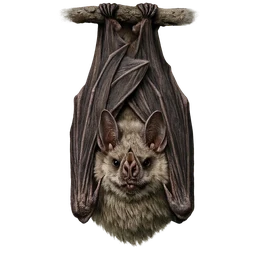
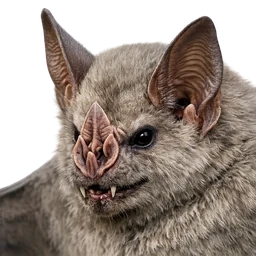
Profile
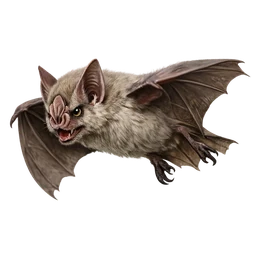
In flight
Bats
Spectral Bat
Vampyrum spectrum
- epic
- 35 km/h
- Near Threatened
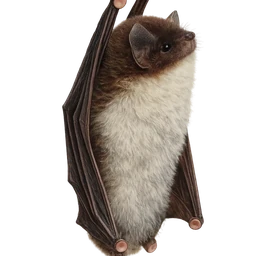
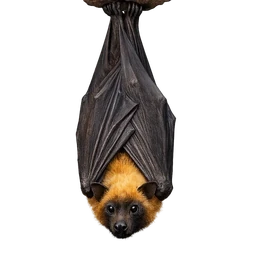
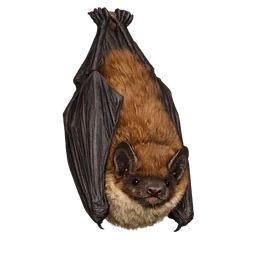
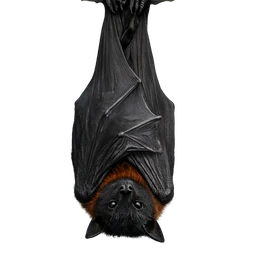
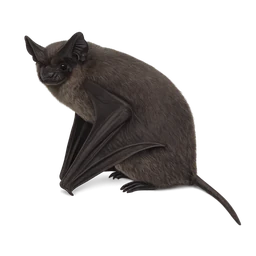
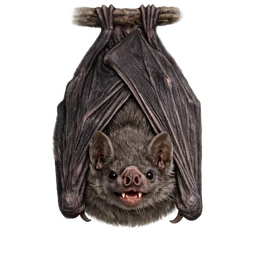
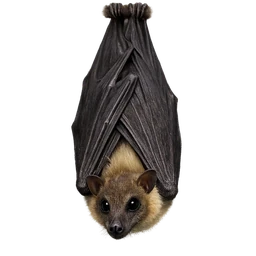
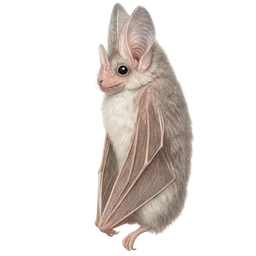
The largest bat in the Western Hemisphere. Hunts birds and rodents in Neotropical rainforest, monogamous.
- Population
- Unknown/difficult to assess; rare and patchily recorded, but population trend is assessed as decreasing (suspected ~20% decline over the last 15-20 years per Bat Conservation International, driven by forest fragmentation/destruction)
- Habitat
- Lowland tropical/subtropical evergreen rainforest and moist forest below ~1,650 m elevation, usually near rivers or streams; also secondary growth, swampy areas, forest edges, and occasionally pastures, orchards, or hollow trees near human structures
- Fun fact
- Despite its intimidating "false vampire bat" nickname, the Spectral Bat is the largest bat species in the New World and is a carnivorous predator of birds and small mammals rather than a blood-feeder.
- Range
- Central and South America: from southern Mexico through Central America (Belize, Guatemala, Honduras, Nicaragua, Costa Rica) to central Brazil (including Cerrado), Bolivia, Peru, Colombia, Ecuador, Venezuela, the Guianas, and Trinidad and Tobago
- Diet
- Exclusively carnivorous; preys mainly on birds (doves, cuckoos, groove-billed anis, and other non-perching birds weighing 20-150g), also rodents, other bat species, and some large insects (e.g. beetles); despite the "false vampire" name, it does not feed on blood
- Size
- 0.14 m
- Wingspan
- 0.85 m
- Lifespan
- 8 years