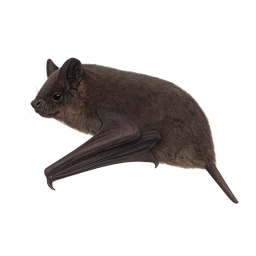
Profile
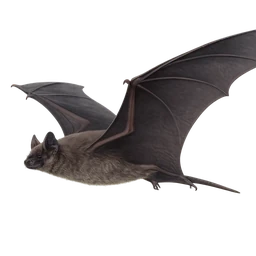
In flight
Bats
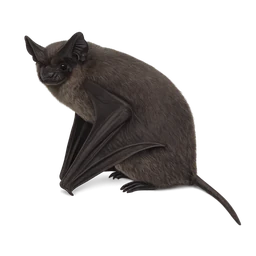
Brazilian Free-tailed Bat
Tadarida brasiliensis
- epic
- 160 km/h
- Least Concern
The fastest bat alive, clocked over 100 mph in level flight. Up to 20 million pack a single Texas cave.
- Population
- Abundant — Animal Diversity Web estimates roughly 100 million individuals remain in the wild; colonies can number in the millions (e.g., Bracken Cave, Texas), though some regional roosts have declined over the past century due to disturbance/destruction of roost sites and pesticide poisoning
- Habitat
- Roosts in large caves with high ceilings, plus hollow trees, bridges, attics, and other buildings; forages over a wide range of open and forested habitats including temperate forest, chaparral, grassland, desert, and urban/suburban areas
- Fun fact
- Brazilian free-tailed bats have been recorded flying at altitudes over 3,300 meters (10,800 ft) — among the highest recorded flight altitudes of any bat — and their massive cave roosts, such as Bracken Cave in Texas, can hold millions of individuals.
- Range
- Southern and southwestern United States (north to Oregon, Nevada, and Virginia/North Carolina) south through Mexico and Central America to southwestern South America (including Brazil, Chile, and Argentina), plus the Caribbean/Antilles
- Diet
- Insectivorous — primarily moths, plus beetles, dragonflies, flies, true bugs, and wasps, bees, and ants, caught in flight; foraging patterns shift with prey availability, weather, and lunar illumination
- Size
- 0.09 m
- Wingspan
- 0.28 m
- Lifespan
- 8 years