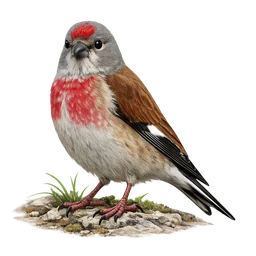
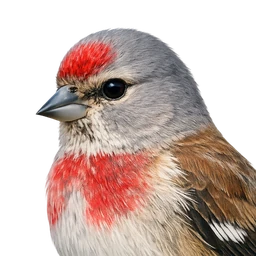
Profile
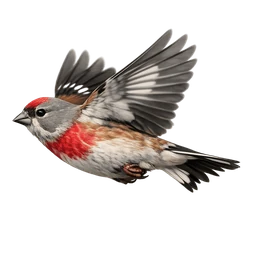
In flight
Songbirds
Eurasian Linnet
Linaria cannabina
- uncommon
- 40 km/h
- Least Concern
Sang in Victorian parlors as a caged bird. Now back outside delivering messages on the wing.
- Population
- Declining; European breeding population fell ~62% between 1980-2009 (PECBMS) and UK population fell ~57% 1970-2014 (RSPB)/1967-2015 (BTO); UK breeding population ~560,000 territories (BTO, 2016); no single authoritative global mature-individuals total was retrievable (BirdLife DataZone and IUCN Red List species pages returned JS-placeholder/loading content and 403s on repeated direct and r.jina.ai-proxied fetch attempts)
- Habitat
- Open country with scattered thick bushes, gorse and scrub, heathland, farmland hedgerows, moors and grasslands, coastal dunes, salt marshes, orchards, vineyards, and gardens
- Fun fact
- The male Eurasian Linnet's crimson forehead and breast patch, absent outside the breeding season, come from carotenoid pigments obtained entirely through diet rather than being produced by the bird itself.
- Range
- Breeds across Europe, the western Palearctic (Atlantic coast from Ireland to Morocco) and North Africa, east through temperate regions to Central Asia; northern/eastern populations migratory, wintering further south around the Mediterranean; southern/western populations largely resident or nomadic; introduced to the Dominican Republic
- Diet
- Mainly seeds of arable weeds and wild plants (knotgrass, dock, crucifers, chickweed, dandelion, thistle, sow-thistle, mayweed, groundsel) plus tree seeds (birch, alder, hawthorn); some small invertebrates (insects, larvae, small snails), especially fed to newly-hatched nestlings before the diet shifts to seeds
- Size
- 0.135 m
- Wingspan
- 0.23 m
- Lifespan
- 9 years