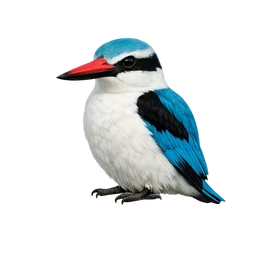
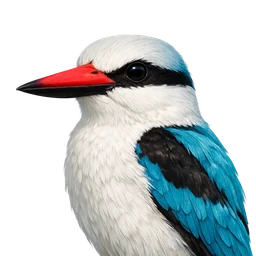
Profile
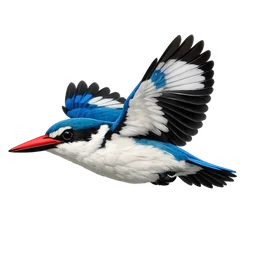
In flight
Kingfishers
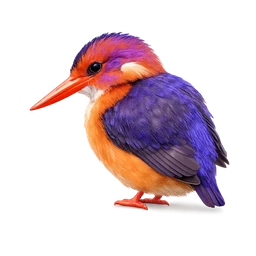
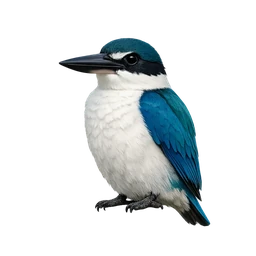
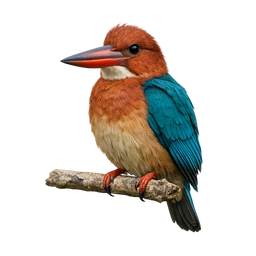
Woodland Kingfisher
Halcyon senegalensis
- uncommon
- 40 km/h
- Least Concern
Despite the name, hunts lizards and grasshoppers in dry woodland, far from water.
- Population
- No global count; widespread and common, suspected slow decline (1-19% over three generations) from habitat loss; current population trend classified as decreasing
- Habitat
- Woodland and savanna with scattered trees (especially Acacias), riverine forest edge, rural gardens, pastureland, and urban/arable areas near human habitation; typically drier wooded habitats rather than near water despite the 'kingfisher' name; occurs 0-1,500 m elevation
- Fun fact
- Despite its name, the Woodland Kingfisher rarely eats fish and instead hunts insects and small reptiles from perches in dry woodland, often far from water, announcing its territory with a loud descending trill likened to a nail run down the teeth of a comb.
- Range
- Sub-Saharan Africa, native to 41 countries/territories from Senegal and Mauritania east to Ethiopia/Eritrea and south to South Africa (Pretoria northward); Extent of Occurrence ~20.1M km² (breeding/resident) and ~8.55M km² (non-breeding); northern and southern populations are partial/full migrants that shift toward equatorial latitudes (within ~8° of equator, year-round resident zone) in the dry season
- Diet
- Mainly large insects and other invertebrates (grasshoppers, crickets, beetles) taken from an exposed perch; also takes lizards, small snakes (e.g. thread snakes), frogs, and occasionally small birds and fish
- Size
- 0.23 m
- Lifespan
- 7 years