Profile
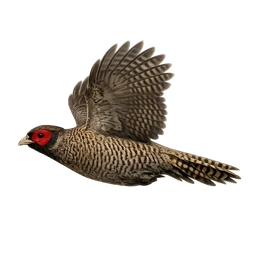
In flight
Game Birds
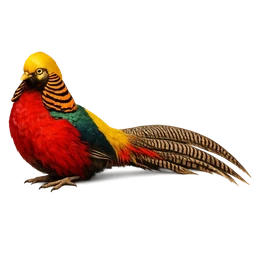
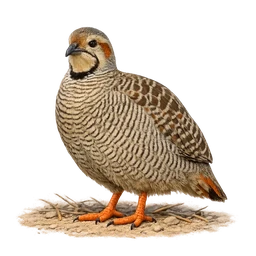
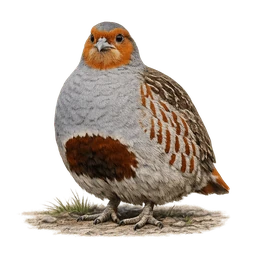
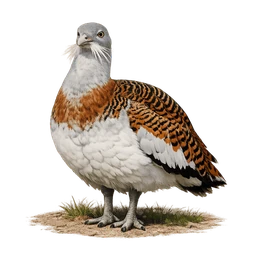
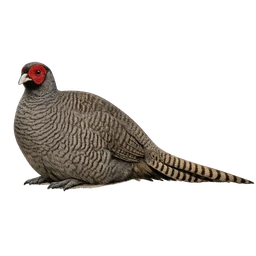
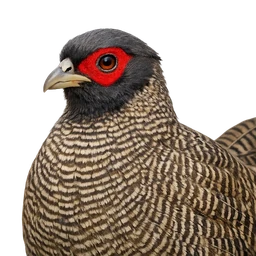
Cheer Pheasant
Catreus wallichii
- epic
- 38 km/h
- Vulnerable
Named for its loud 'cheer-a-cheer' call echoing Himalayan hillsides. Vulnerable, vocal, and impossible to ignore.
- Population
- 2,500-9,999 mature individuals, decreasing (~10-19% over three generations); essentially one metapopulation, extent of occurrence ~259,000 km²
- Habitat
- Rocky, precipitous slopes with scrub, tall grass and scattered clumps of trees on Himalayan foothills, at roughly 1,445-3,050 m elevation per the current IUCN/BirdLife assessment (English Wikipedia gives a roughly overlapping but not identical ~1,829-3,048 m / 6,000-10,000 ft); favors early-successional grassland maintained by traditional grazing and burning -- tying the species' survival to human land management.
- Fun fact
- The Cheer Pheasant is the only species in its genus, Catreus, and is named for Nathaniel Wallich, the Danish-born botanist who first collected specimens in the Himalaya in the early 19th century.
- Range
- Western Himalaya: a discontinuous band from the Hazara division of Khyber Pakhtunkhwa / Azad Jammu and Kashmir, northern Pakistan, through Jammu and Kashmir, Himachal Pradesh (Shimla, Kullu, Chamba) and Uttarakhand (Kumaon/Garhwal) in India, to western/central Nepal (e.g. Dhorpatan) near the Kali Gandaki river.
- Diet
- Essentially vegetarian/omnivorous ground forager: digs for roots, bulbs and tubers, and takes leaf fragments, herbs, seeds and berries, with insects and grubs taken opportunistically (mostly foraging in open areas during morning hours).
- Size
- 1 m
- Lifespan
- 8 years