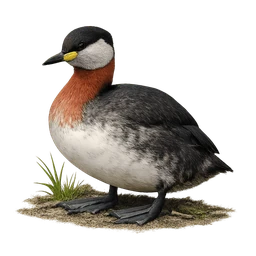
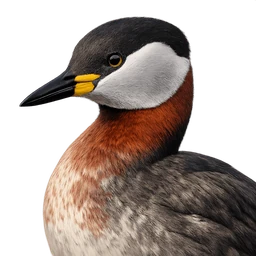
Profile
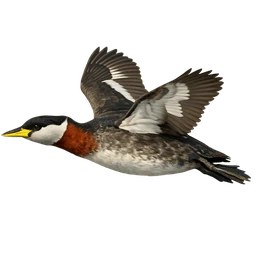
In flight
Seabirds
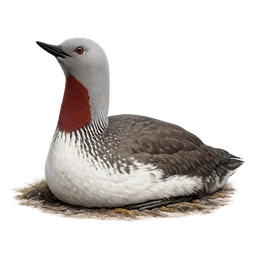
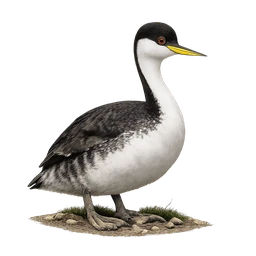
Red-necked Grebe
Podiceps grisegena
- rare
- 55 km/h
- Least Concern
Big, long-necked, with a braying call that carries across northern lakes. Carries chicks on its back.
- Population
- ~190,000-290,000 mature individuals globally (decreasing trend, 2018 IUCN/BirdLife assessment)
- Habitat
- Small, shallow (generally <2m deep, <3 ha) freshwater lakes and marshes with abundant emergent vegetation (e.g. reedbeds) for breeding; winters on large inland lakes and sheltered coastal/sub-tidal waters (sand or gravel substrates) down to about 15 m deep
- Fun fact
- The Red-necked Grebe performs elaborate synchronized courtship displays with its mate, including a "weed dance" where both birds rise up and present strands of aquatic vegetation to each other.
- Range
- Breeds across the northern temperate/subarctic belt of the Holarctic — western Canada and Alaska, the northwestern USA, and (nominate subspecies) from southern Scandinavia across central/eastern Europe and Russia to northeastern China and northern Japan; winters south to North Sea/Mediterranean/Black/Caspian Sea coasts in Europe, and along the Pacific coast from the Aleutians to California and Japan/Korea in North America/Asia
- Diet
- Mainly small fish and aquatic invertebrates (crustaceans, aquatic insects/beetles, dragonfly/damselfly larvae, leeches, small clams, amphipods, and even small amphibians such as salamanders and frogs/tadpoles); invertebrates dominate during breeding, with fish becoming more important in winter
- Size
- 0.46 m
- Wingspan
- 0.8 m
- Lifespan
- 11 years