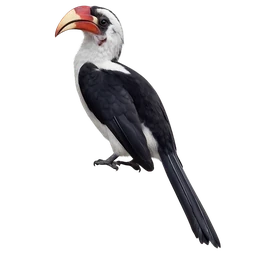
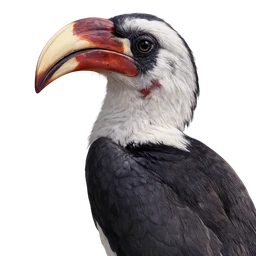
Profile
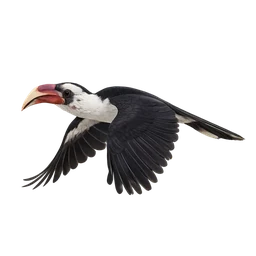
In flight
Hornbills
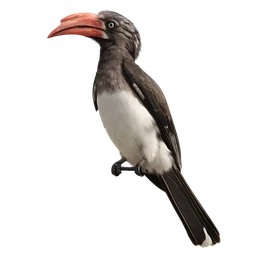
Von der Decken’s Hornbill
Tockus deckeni
- rare
- 49 km/h
- Least Concern
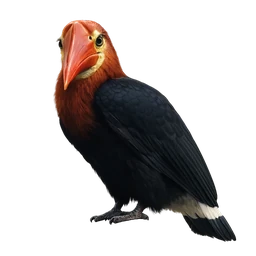
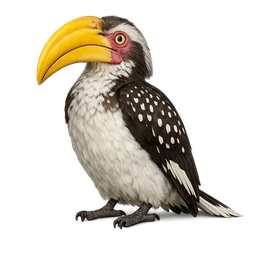
Named for a 19th-century explorer. Males carry a red-and-ivory bill.
- Population
- Not quantified; BirdLife DataZone (2024 assessment) describes it as widespread and locally common, with a suspected decreasing population trend
- Habitat
- Dry savanna, thorn scrub, and subtropical/tropical dry shrubland/woodland; low forest dependency; reaches roughly 1,500 m elevation in Ethiopia (oiseaux-birds.com); higher upper-elevation figure (~2,080 m) could not be independently corroborated in this pass
- Fun fact
- Von der Decken's Hornbills form a documented mutualism with dwarf mongoose troops: the mongooses flush insects that the hornbills catch, while the hornbills act as aerial-predator sentinels, extending the mongooses' safe foraging time at termite mounds (corroborated independently via oiseaux-birds.com; consistent with published dwarf-mongoose/hornbill association literature, e.g. Rasa-type studies).
- Range
- East Africa: Ethiopia (mainly in and east of the Rift Valley), Somalia, Kenya (except northeast), and central Tanzania; Extent of Occurrence ~2,380,000 km² per BirdLife DataZone
- Diet
- Omnivorous ground forager: grasshoppers, locusts, beetles and their larvae, termites and ants, plus snails, mice, nestling birds, lizards, tree frogs, and seasonal seeds/berries
- Size
- 0.47 m
- Lifespan
- 15 years