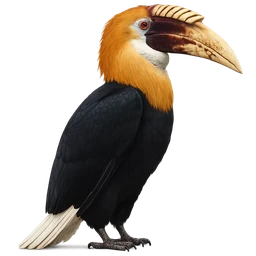
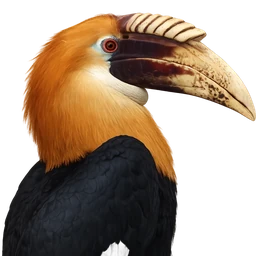
Profile
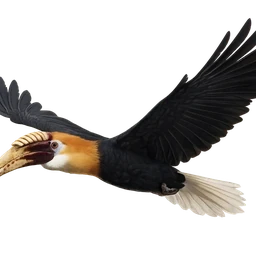
In flight
Hornbills
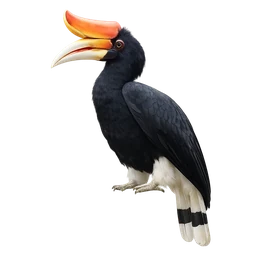
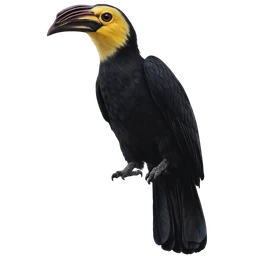
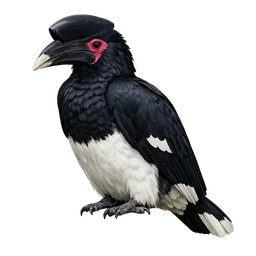
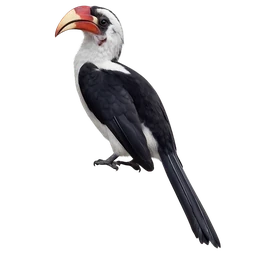
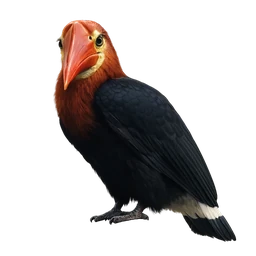
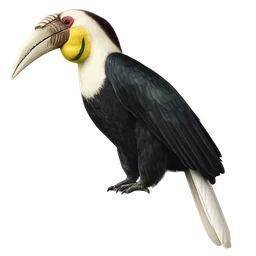
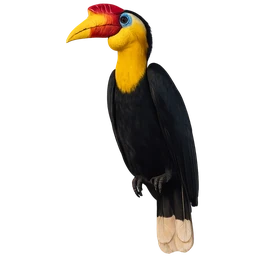
Papuan Hornbill
Rhyticeros plicatus
- uncommon
- 43 km/h
- Least Concern
One of the few hornbills in New Guinea. Its casque has up to eight ridged folds recording its age, like rings on a tree.
- Population
- Global population size not numerically quantified by IUCN/BirdLife; described as common in many parts of its wide range, with a suspected decline from ongoing habitat destruction and hunting for food (habitat loss rates remain low across most of the range to date)
- Habitat
- Primary and secondary tropical evergreen forest, plus riverine and freshwater swamp forest (subtropical/tropical moist lowland forest is the major habitat type), from sea level up to ~1,500 m
- Fun fact
- In flight its slow, heavy wingbeats produce a loud rushing/whooshing noise, often likened to steam escaping from a steam locomotive, that can be heard well before the bird is seen.
- Range
- Wallacea/Melanesia: northern Moluccas (Indonesia), New Guinea (incl. West Papua islands, Yapen, D'Entrecasteaux), the Bismarck Archipelago, and the Solomon Islands, with rare vagrant sightings in the Torres Strait/Queensland, Australia — the only hornbill species native to New Guinea/Australasia
- Diet
- Mainly fruit, especially figs (Ficus), supplemented with other fruits/nuts and animal matter (insects, small animals, occasionally crabs and bee honeycomb)
- Size
- 0.91 m
- Wingspan
- 1.2 m
- Lifespan
- 30 years