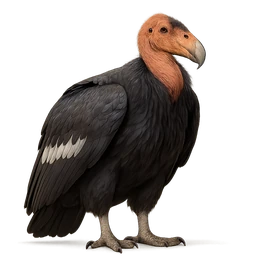
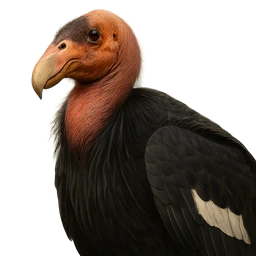
Profile
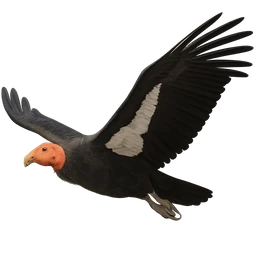
In flight
Vultures & Condors
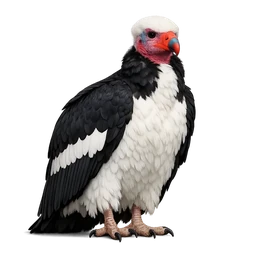
California Condor
Gymnogyps californianus
- legendary
- 80 km/h
- Critically Endangered
Brought back from just 22 individuals. Each flight is a triumph over extinction.
- Population
- IUCN Red List assessment basis: ~93 mature individuals in the wild (2020). Total population (wild + captive) has grown substantially since: USFWS reported 607 individuals total as of December 2025, up from ~337 wild + 181 captive in Dec 2019. Population trend: increasing.
- Habitat
- Rocky, open-country scrubland, coniferous forest, and oak savanna; nests in remote caves and crevices on high cliff faces, typically at elevations of 450-2,000 m
- Fun fact
- The California Condor went extinct in the wild in 1987 when the last 22-27 wild individuals were captured for a captive-breeding program; reintroductions beginning in 1991-1992 have since rebuilt a wild+captive population that reached 607 birds by December 2025, though the species remains Critically Endangered and is still threatened primarily by lead poisoning from ingested ammunition fragments in carcasses.
- Range
- Historically ranged from British Columbia (observed as far north as Lulu Island near the Fraser River mouth in the late 1880s) to Baja California; today reintroduced subpopulations exist in central and southern California, northern Arizona/southern Utah (Grand Canyon and Zion region), and northern Baja California, Mexico
- Diet
- Obligate scavenger (carrion) feeding on large dead mammals such as deer, cattle, pigs, sea lions, and whale carcasses; can store up to 3 lbs of meat in its crop and survive 1-2 weeks without eating
- Size
- 1.25 m
- Wingspan
- 2.9 m
- Lifespan
- 60 years